December 6, 2025: The Birds of Winter
A recap of my class on birding through winter.
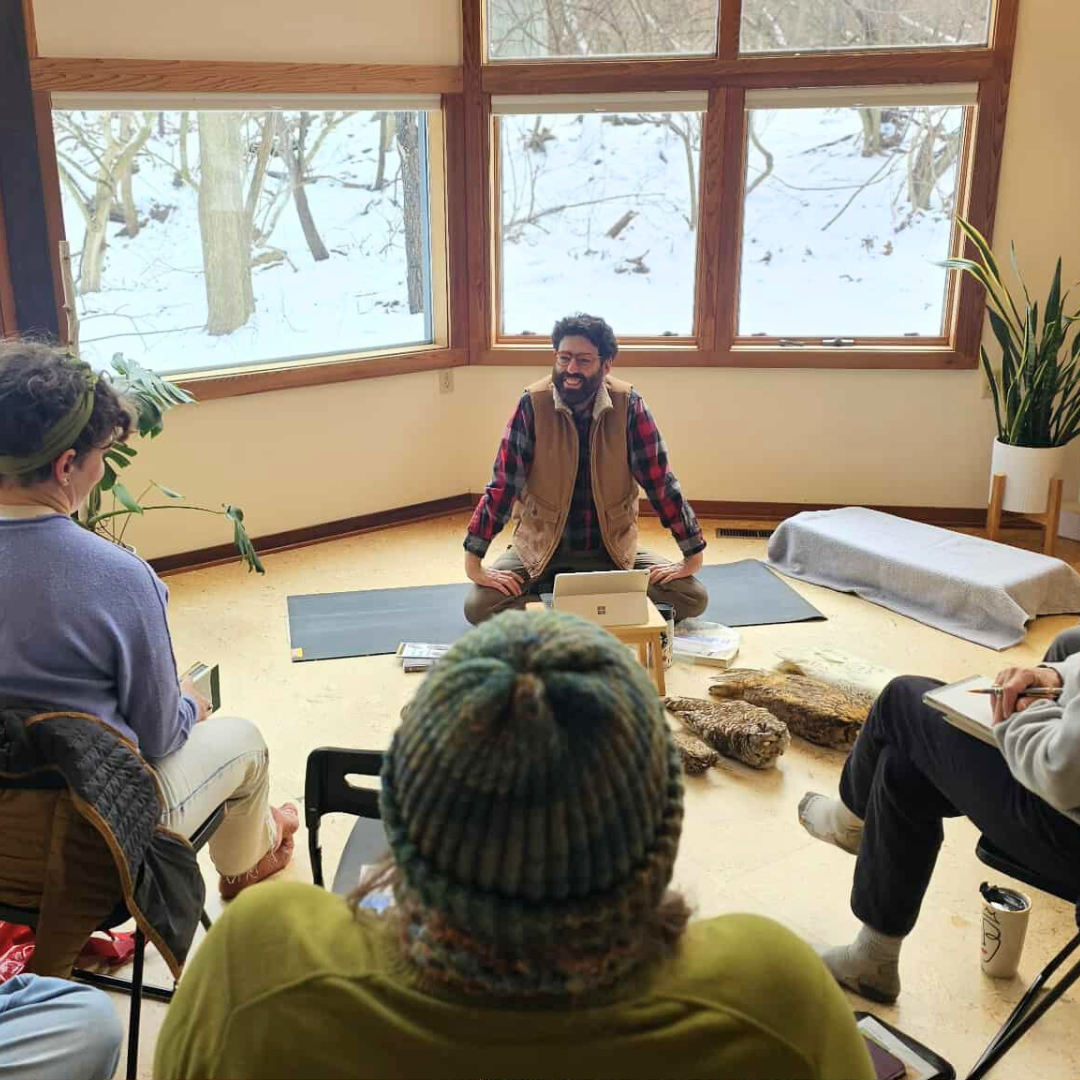
I arrived at the Ayurvedic Wellness Center on the morning of Saturday, December 6 to teach an indoor lecture-style class on “The Birds of Winter”. My local community of birders showed up once again, strengthening their commitment to fostering deeper and deeper relationships with the birds (and thus, nature) surrounding them.
Though the weather has been particularly cold (recent temperatures plummeted to near 0 degrees), I found great delight immediately upon stepping out of my parked car. The sounds above flooded my senses, and I knew immediately what was happening above; flocks of American Robins and Cedar Waxwings were feeding on winter berries surrounding the venue. A quintessential soundscape of winter birding, I was instantly delighted that these friends would be joining us today.
An American Robin in Kleinstuck Preserve. March 8, 2022.
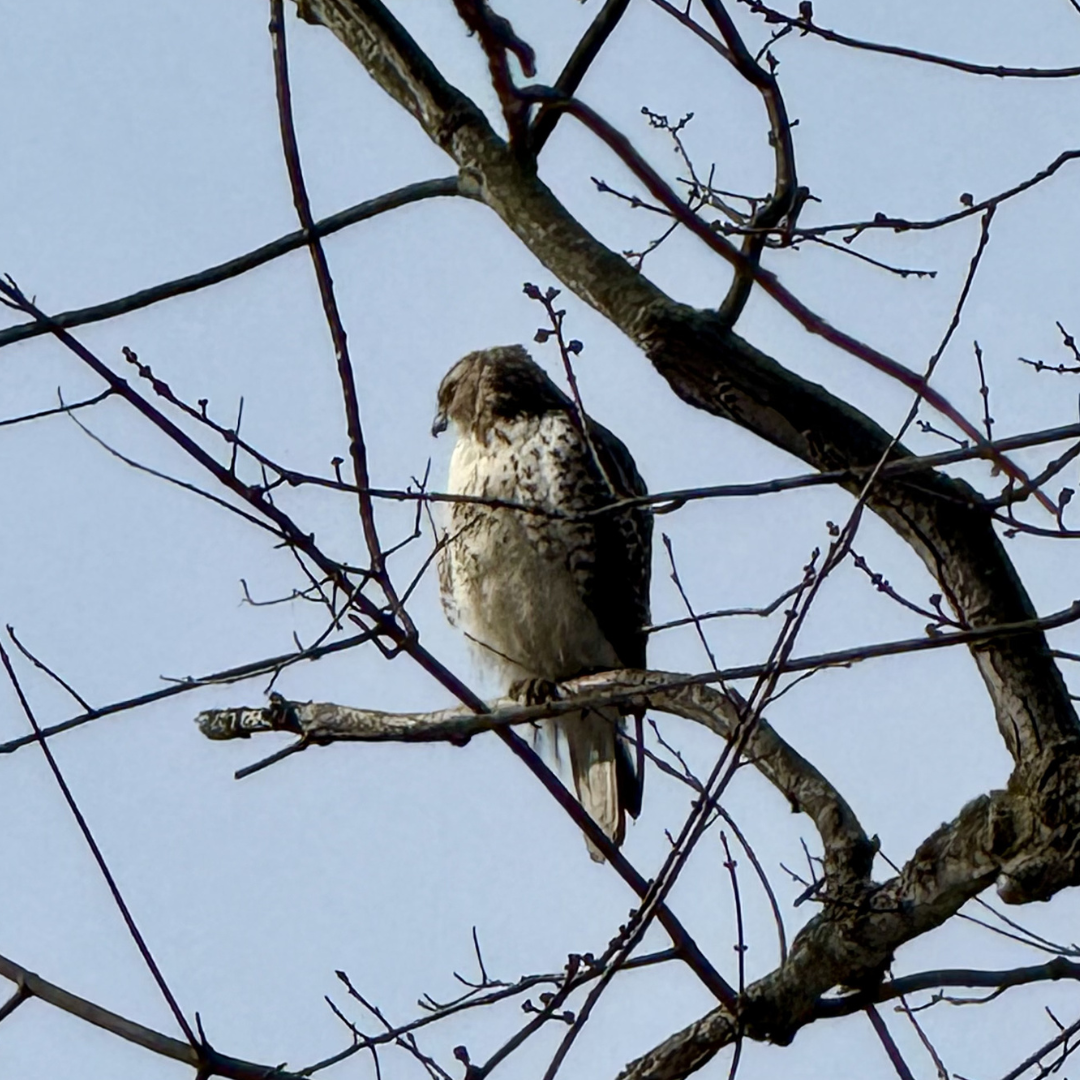
My inspiration for creating the content of this class was designed to inspire a steady connection to nature through the colder, harsher months. Recognizing that while the elements may not favor long, wandering strolls through the woods, there is still plenty of opportunity to go birding, and discover new species that call SW Michigan their home, only for the winter months.
So we gathered around in a circle, homemade spicy chai in hand (this morning’s batch turned out exceptionally delicious!), and explored the birds of winter.
Participants expressed their reasons for joining; to to deepen their education around birds and birding, and to strengthen their sense of community.
I began by providing context so we could understand where in the cycle of migration we were, so that we have a better sense of what to expect. I also broke down, in detail, what birding can look like throughout the winter. One tool I shared and explained was the Winter Finch Forecast, and how that can shape expectations around what species to expect this winter.
Dark Eyed Junco in winter. December 17, 2022.
We then took a deep dive into six winter species. We discussed where to find these unique birds, how to identify them, and we examined their unique behavior and traits. Some species discussed were the striking Evening Grosbeak, the cute Snow Bunting, and the gorgeous Lapland Longspur. We learned, we asked questions, and we practiced noticing traits and describing them by using field guides, and examining their behavior via short video clips.
Snow Buntings in agricultural field. January 9, 2022.
Towards the end of class, I enlisted the help of my “round skin specimens”. Round skins are essentially taxidermy birds that I use as study tools. I laid out nine species of birds, and set my birders to the test! Their challenge was to positively identify all nine birds using their field guides.
Students hard at work using round skins to identify bird species.
After the workshop, we covered a few more ways to stay engaged with birding this winter, including the Winter Feeder Count, put on by the Kalamazoo Nature Center, and the Christmas Bird Count, by the Audubon Society. Both programs are excellent ways to not only go birding in the winter, but also to actively contribute to citizen science by submitting observation data. I have participated in both of these events for many years, and they give me something to look forward to during winter.
I am delighted to have shared my knowledge, spent time in community, and to have learned from my cohorts on this chilly Saturday morning. Just before I knew it, it was time to wrap up and say goodbye.
I’ll leave you all with one more photo I took in January of 2022; a pair of Horned Larks, or as we called them, “Grumpy birds”.
A pair of Horned Larks. January 9, 2022.
November 15, 2025: Waterfowl at Wolf Lake
A recap of our hike at Wolf Lake Fish Hatchery.
It’s opening day for firearm hunting season. Although it’s mid-November, the weather is unusually mild. Even at the beginning of our hike, temperatures were in the upper 50’s. Weather conditions are cloudy, and slightly breezy.
A good-sized group of us gathered in the parking lot of Wolf Lake Fish Hatchery, located just across the Kalamazoo County line, into VanBuren County, a 20-minute drive west of downtown Kalamazoo.
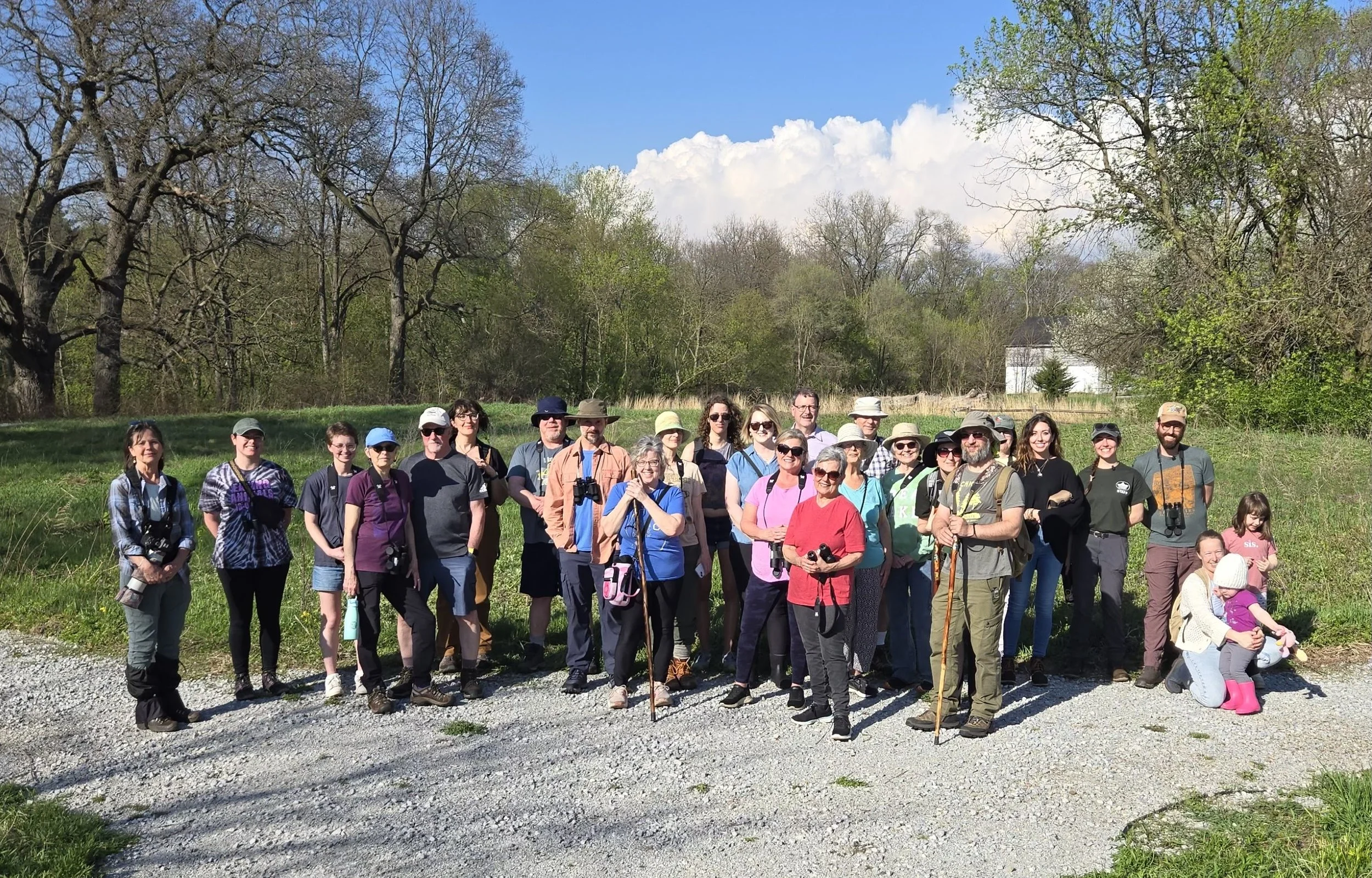
Gathered for our pre-trip briefing.
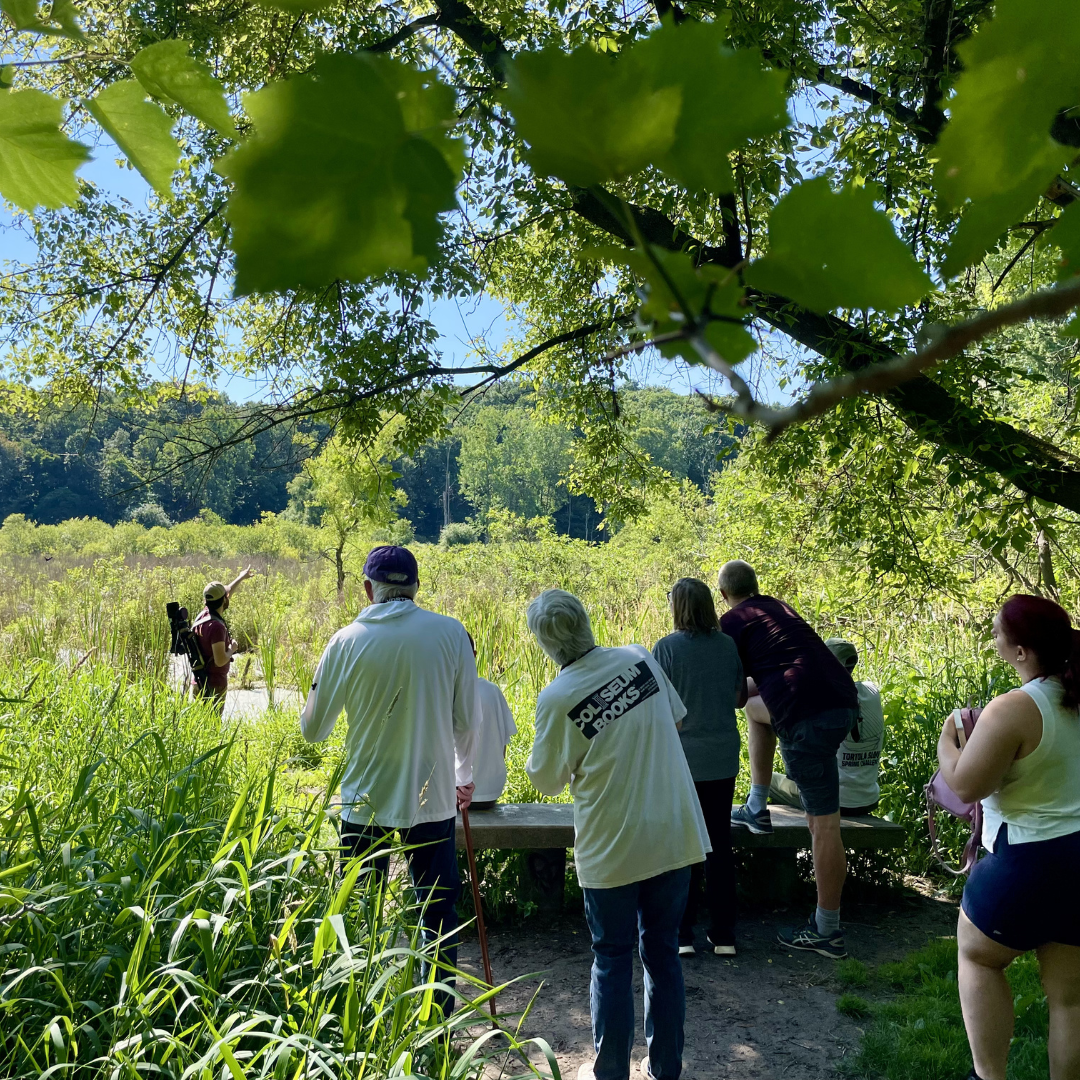
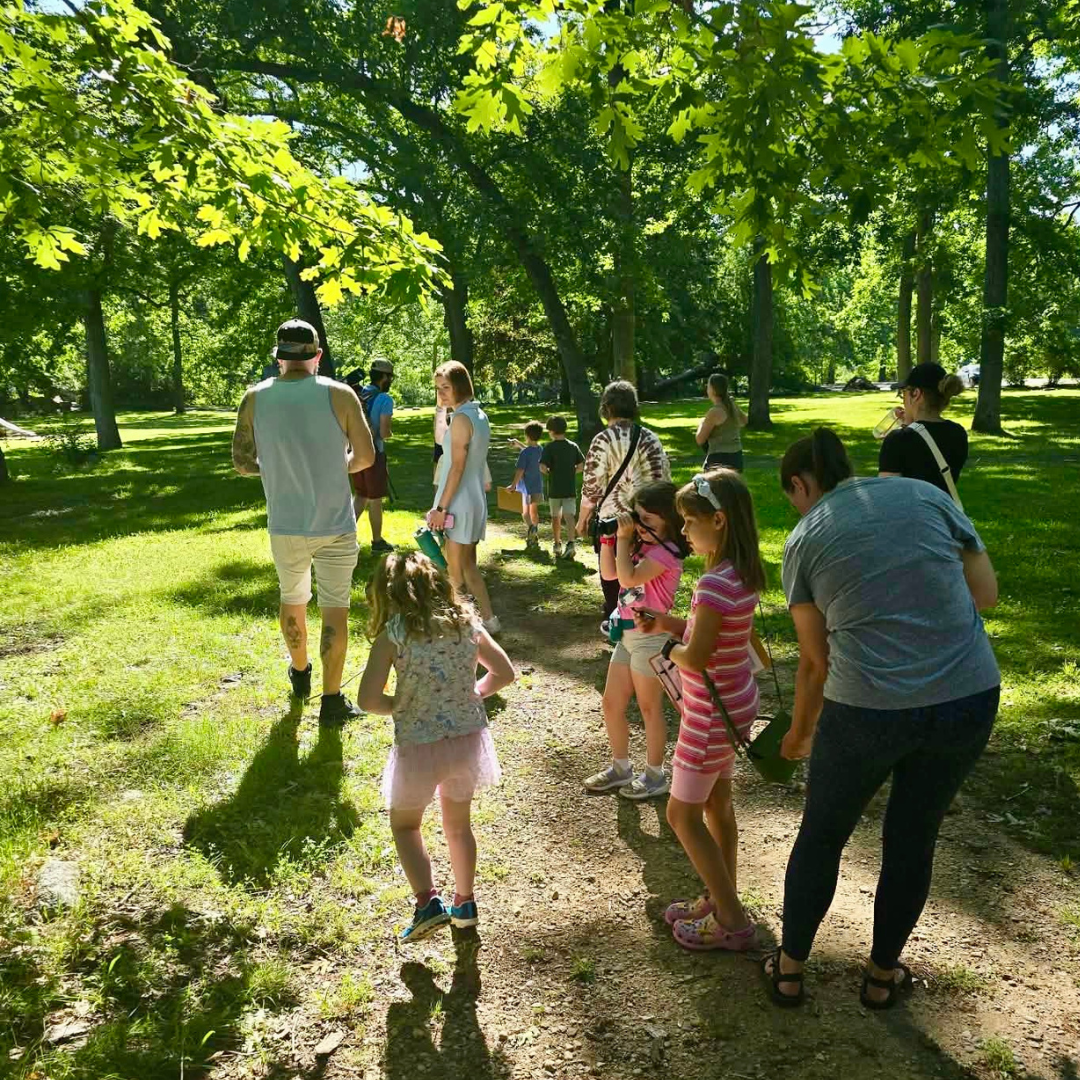
Two photographers joined the group, as well as many regulars, and even a few enthusiastic children. Before the hike we discussed the topic of waterfowl in November in SW Michigan; what types of waterfowl we can expect, the different families of waterfowl, as well as tips and tricks on identification.
At about 9:15a, we set out on the trail towards the ponds. Wolf Lake is a great place to bird for waterfowl, since the ponds rarely freeze over the winter due to the water being heated from the fish hatchery.
Our first bird encounter was a Blue Jay. A rather numerous gathering of birds also included some Northern Cardinals, American Tree Sparrows, and American Crows.
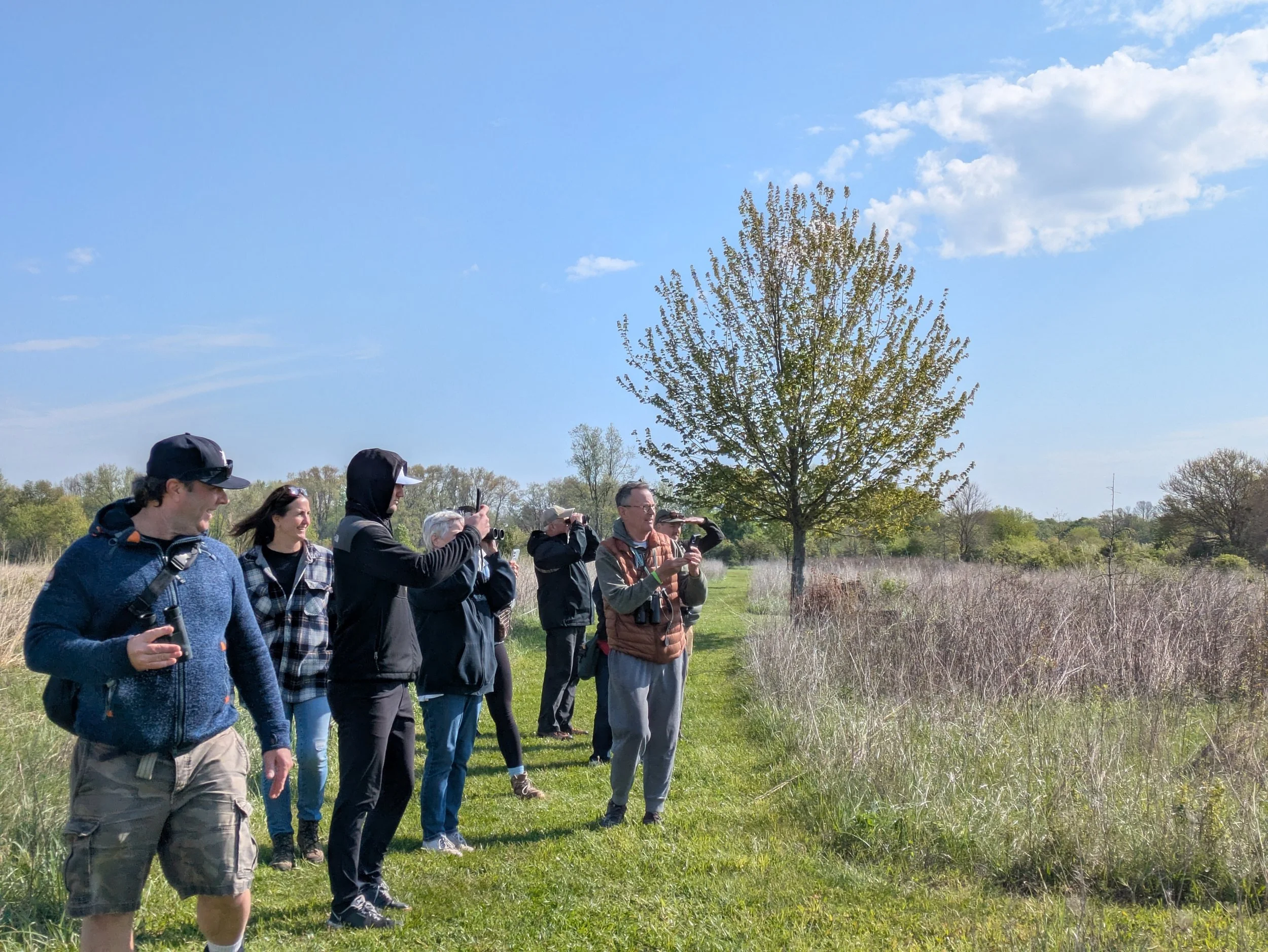
Upon reaching the first pond, we spotted Trumpeter Swans, Mallards, and Gadwall. Folks were thrilled to see a new duck (Gadwall) they had never heard of before!
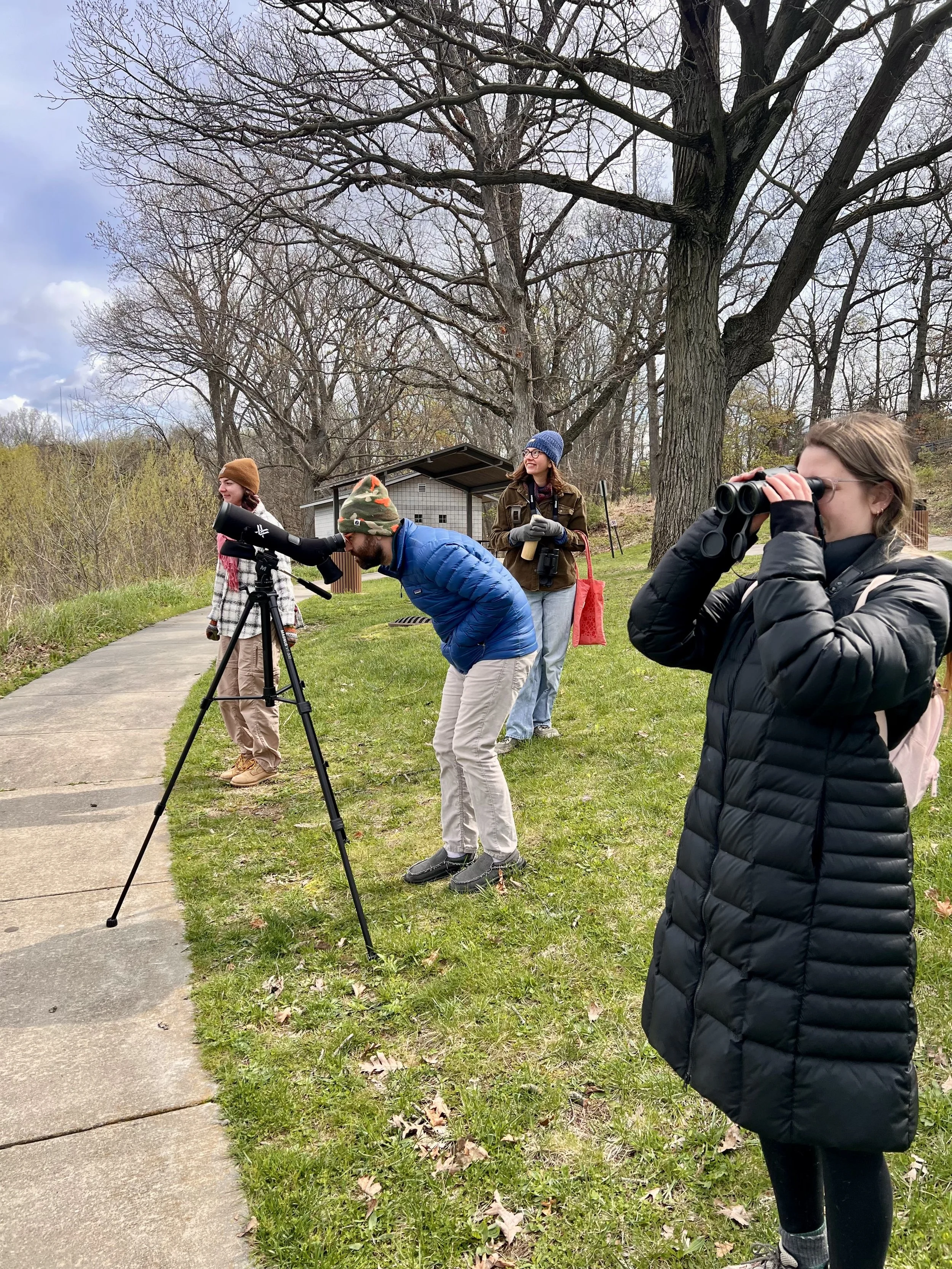
Birding the first pond.
Trumpeter Swans in flight. 📸 Seth Messer
The second, and much larger pond, had much more waterfowl. Many more Trumpeter Swans, Mute Swans, Canada Geese, a Great Blue Heron, Bufflehead, and even a lone Ring-necked Duck.
My absolute favorite ducks to see are the Bufflehead. They are so cute!
Male and Female Bufflehead. 📸 Seth Messer.
As we neared the far end of our out-and-back hike, we took about 15 minutes to search for a Red-headed Woodpecker, in an area they are known to frequent. Lo and behold, we caught glorious views of a male through the scope. This was definitely the show-stopper for the group!
The trip was rounded out by a bonus sighting of an American Coot, and a male Belted Kingfisher.
Belted Kingfisher. 📸 Seth Messer.
Belted Kingfisher diving. 📸 Seth Messer.
The morning was thoughtfully spent in community, and birders thoroughly enjoyed the hike and the variety of species. They left much better equipped in identifying local waterfowl, and it’s truly a pleasure for me to facilitate creating connections through the shared experience of enjoying nature.
To view the full checklist from the hike, click here.