
May 16, 2026: Birdathon!
Small teams of birders of all skill levels descended upon Berrien County, Michigan, for Birdathon, an annual birding event hosted by Sarett Nature Center. A fun-filled day ensued, full of birdwatching and fundraising with fellow birdwatchers. Just how many birds did we find and record in one single day, and how much money did we raise for conservation? Read on to find out!
Birdathon takes place in mid-May during peak migration, so the area is saturated with birds. This friendly competition starts as early as 12:00am and runs until 7:00pm. Each species of bird must be seen or heard by each team member in order to be counted, so it’s important to stick together.
This year marked the 37th annual Birdathon, and my third consecutive year joining the competition. I participated on the team dubbed the “Kal-Haven Trail Trekkers”, representing the Audubon Society of Kalamazoo. Donna Keller, Kent Martin, Joanna Sblendorio and myself got an early start to the competition in hopes of hearing some more nocturnal species such as owls, nighthawks, or perhaps a woodcock.
We met at the carpool at 4:30am and arrived to our first location, Brown Sanctuary, by 5:30am. We trekked into the moonlit forest to a point on the edge of a prairie near a marsh, where we stood silently to listen. Before dawn, a single hoot from a Barred Owl. A flyover by a lone Common Nighthawk. Other songbirds announced their presence as daylight approached; Song Sparrow, Northern Cardinal, and Indigo Bunting.
While spending some time on a platform overlooking the marsh, we noted Yellow-bellied Sapsucker, Prothonotary Warbler, and a handful of warblers. Unfortunately we missed out on hearing the American Woodcock due to a closed trail. However, after just under two hours, we had identified our first 60 species of the day!
The skies were threatening rain, and with a few rumbles of thunder in the distance, we trekked with caution. Luckily, the rain held off, and skies eventually cleared up.
The first half came easy and as the day went on it became trickier to find specific species of birds that we haven’t encountered yet. Luckily, Kent knew this area very well, and knew exactly where to go to keep our count rising. He also did some scouting the day before that gave us a leg up in the competition!
After Brown Sanctuary, it was a stop on the side of the road to listen for Grasshopper Sparrow, with no luck.
Next was a hike at Sarett Nature Center. Here we picked up many new birds, including two Cape May Warblers, two Bay-breasted Warblers, Palm Warbler, and perhaps our favorite sighting of the day, a Yellow-breasted Chat.
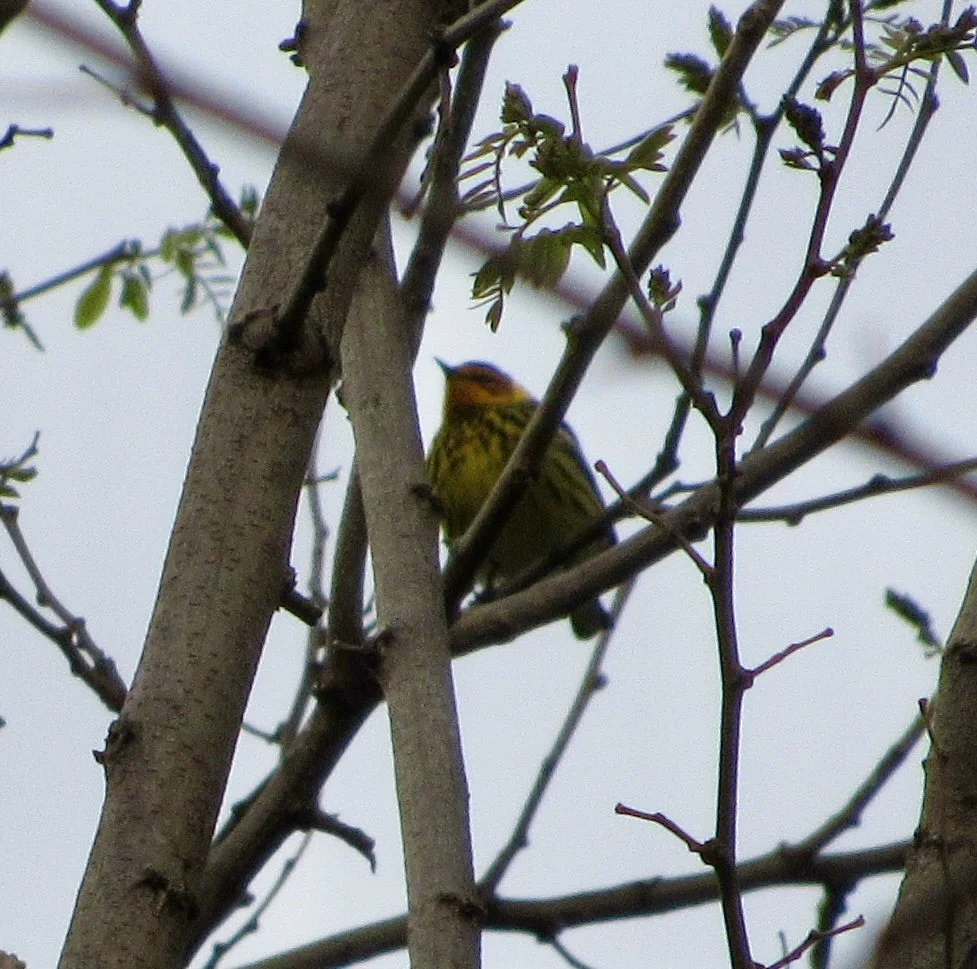
Cape May Warbler at Sarett Nature Center.
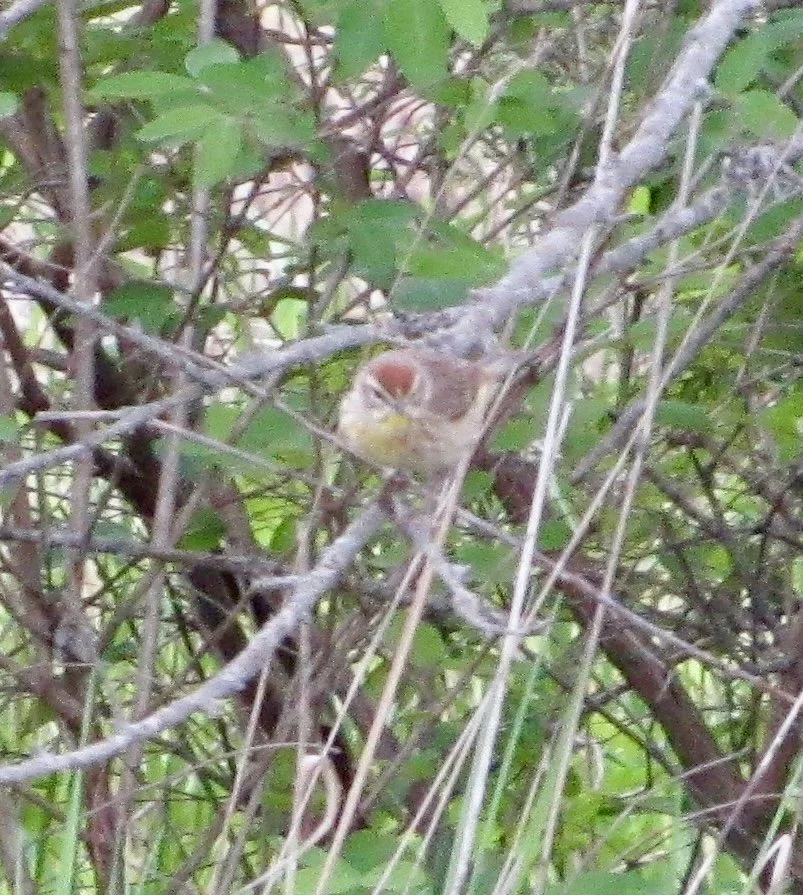
Palm Warbler at Sarett Nature Center.
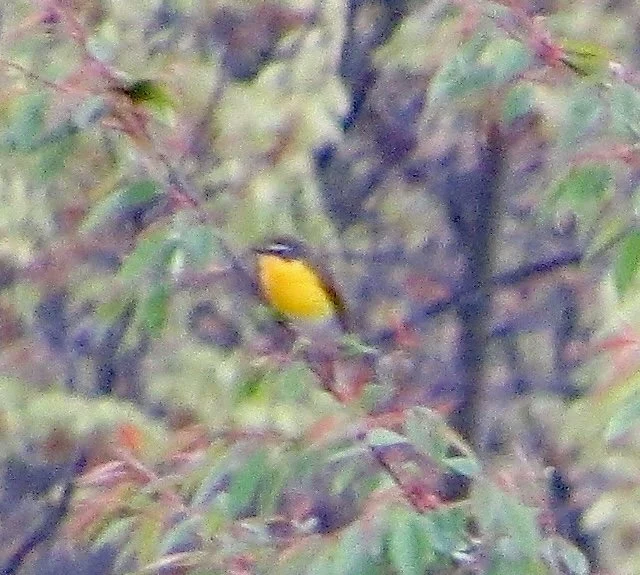
Yellow-breasted Chat at Sarett Nature Center.
As the day progressed, we tallied more and more species. Pairs of Caspian and Forster’s Tern at Tiscornia Park, a lone Lincoln’s Sparrow at Grand Mere State Park, Spotted Sandpipers at Lake Anne, and warblers, all of the warblers, at Floral Lane!
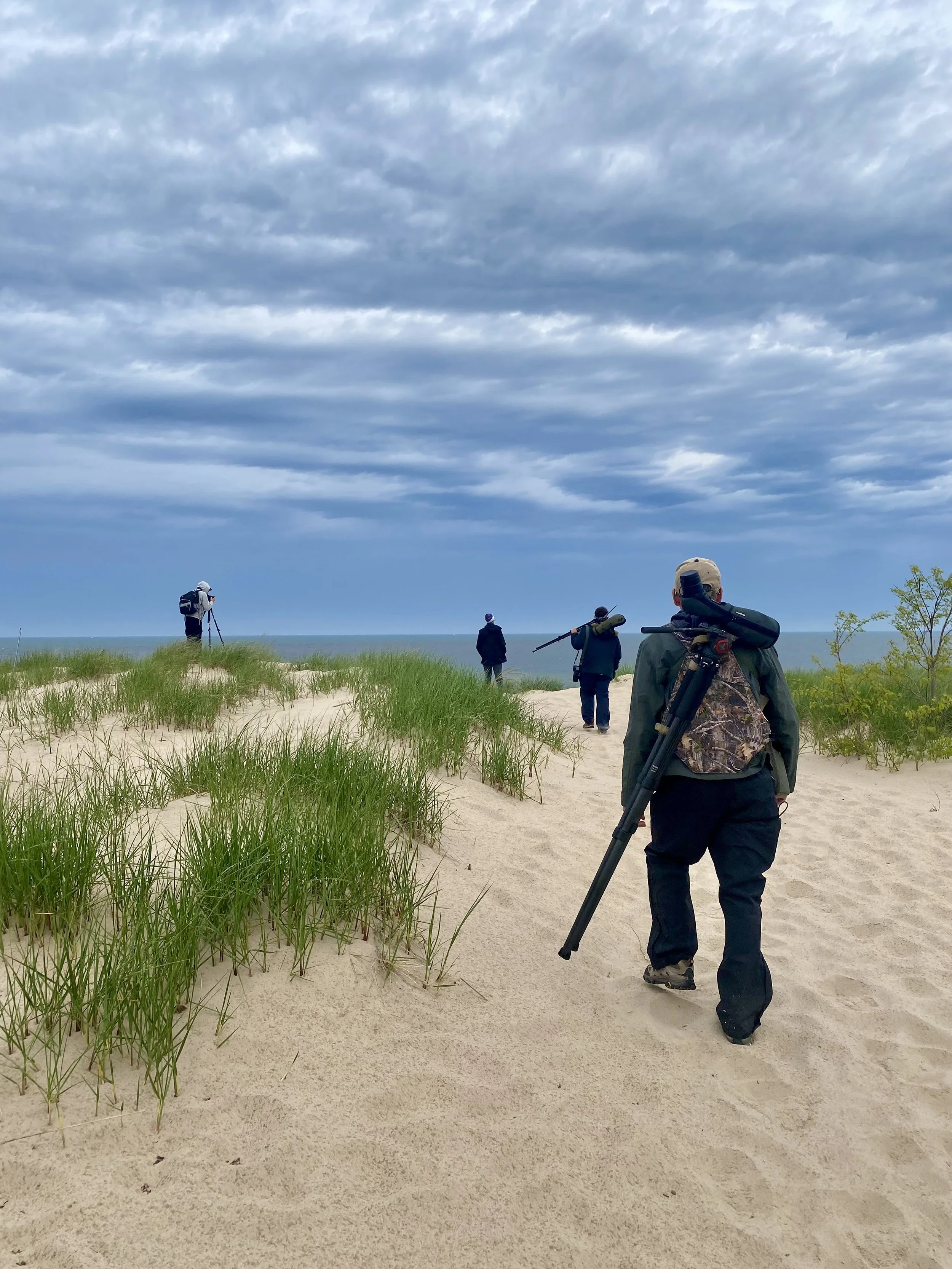
The Kal-Haven Trail Trekkers exploring Tiscornia Park.
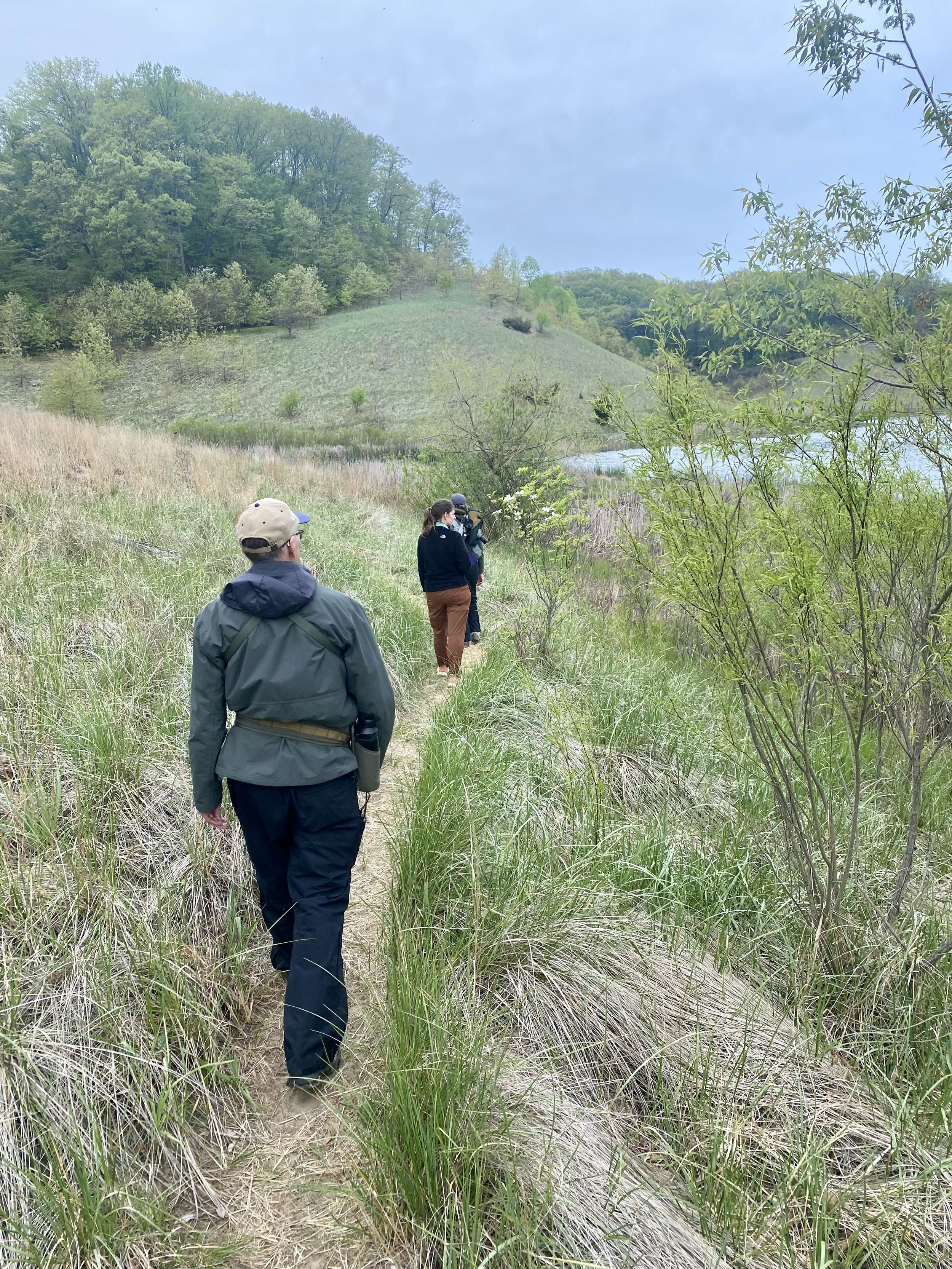
The Kal-Haven Trail Trekkers birding at Lake Anne.
One of the most productive hikes of the day, Floral Lane was a delight! Warblers included Mourning, Hooded, Magnolia, Canada, Wilson’s, Blackburnian, Chestnut-sided, Blackpoll, Parula, and more. Joanna has excellent ears and a real knack for warbler sound identification, and was absolutely crushing it here.
The morning progressed into afternoon as Donna kept us on schedule. Her grounding energy and impressive birding ability pushed our species count higher and higher. We had a schedule to follow, and we stuck to it. Thank you, Donna!
At Three Oaks Sewage Pond we saw a late Common Goldeneye female, many active Purple Martins, and a Black-bellied Plover, among other shorebirds. Next, an Olive-sided Flycatcher on Lakeside Road, and many Bobolink off Wilson Road, along with, you guessed it, our Grasshopper Sparrow!
We pushed over 100 species as the afternoon began to slow down. With the increased heat and dwindling number of new species to discover, we kept our targets in mind and made our next moves based on what we thought would be best. Our efforts paid off; we added Cerulean Warbler, along with Belted Kingfisher and Louisiana Waterthrush at Kesling Preserve, and a Great Egret at Galien River County Park. The Egret was an exciting species to get because it broke our team’s 2025 record of 122 species! We were on track for a strong finish!
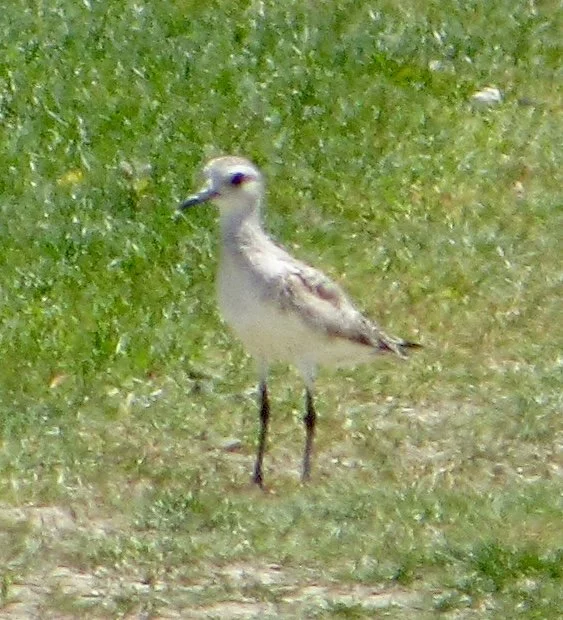
Black-bellied Plover at Three Oaks Sewage Pond.
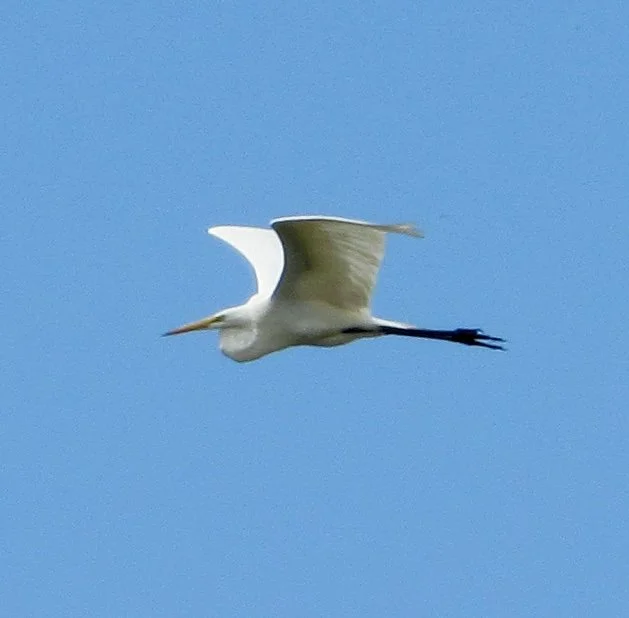
Great Egret at Galien River County Park. Our 123rd species of the day!
Late in the day we spotted an Orchard Oriole, which was a very exciting bird. While scanning a nearby thicket from the car, Donna began to pull away, when Joanna shouted, “Orchard Oriole!” Donna stopped the car, and we got out to all view the Oriole. Another team, curious about what we were looking at, asked what we had found. We pointed the Oriole out to them, and were tickled to hear that this species broke their record.
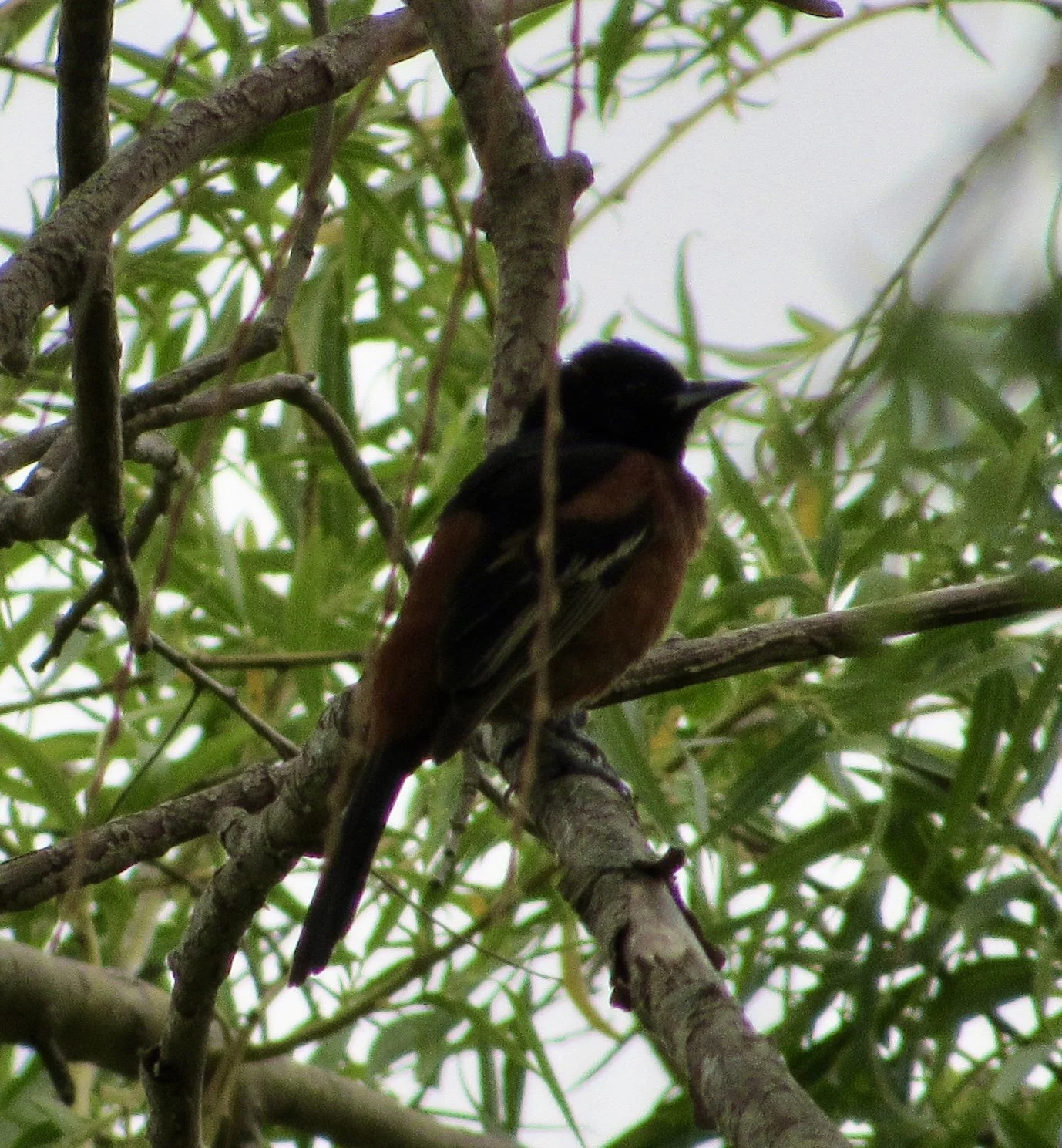
Orchard Oriole late in the game.
We finished the day at Sarett Nature Center with our final sighting, a bird we had been looking for all day, the Green Heron. That put our total count for the day at 127 species!
We attended the potluck and awards ceremony to cap off the event. It’s always a treat to hear from the other teams about their experiences. Some highlights from the other 13 teams included American White Pelicans, a Blue Grosbeak, and a team that had located a Ruby-throated Hummingbird nest. How cool!
Between all teams, we raised over $16,500 through pledges. All proceeds will be used to support local conservation efforts. It was a day I won’t soon forget, and I’m already looking forward to the next Birdathon. Thank you for joining me on my journey.
Until next time, happy birding!
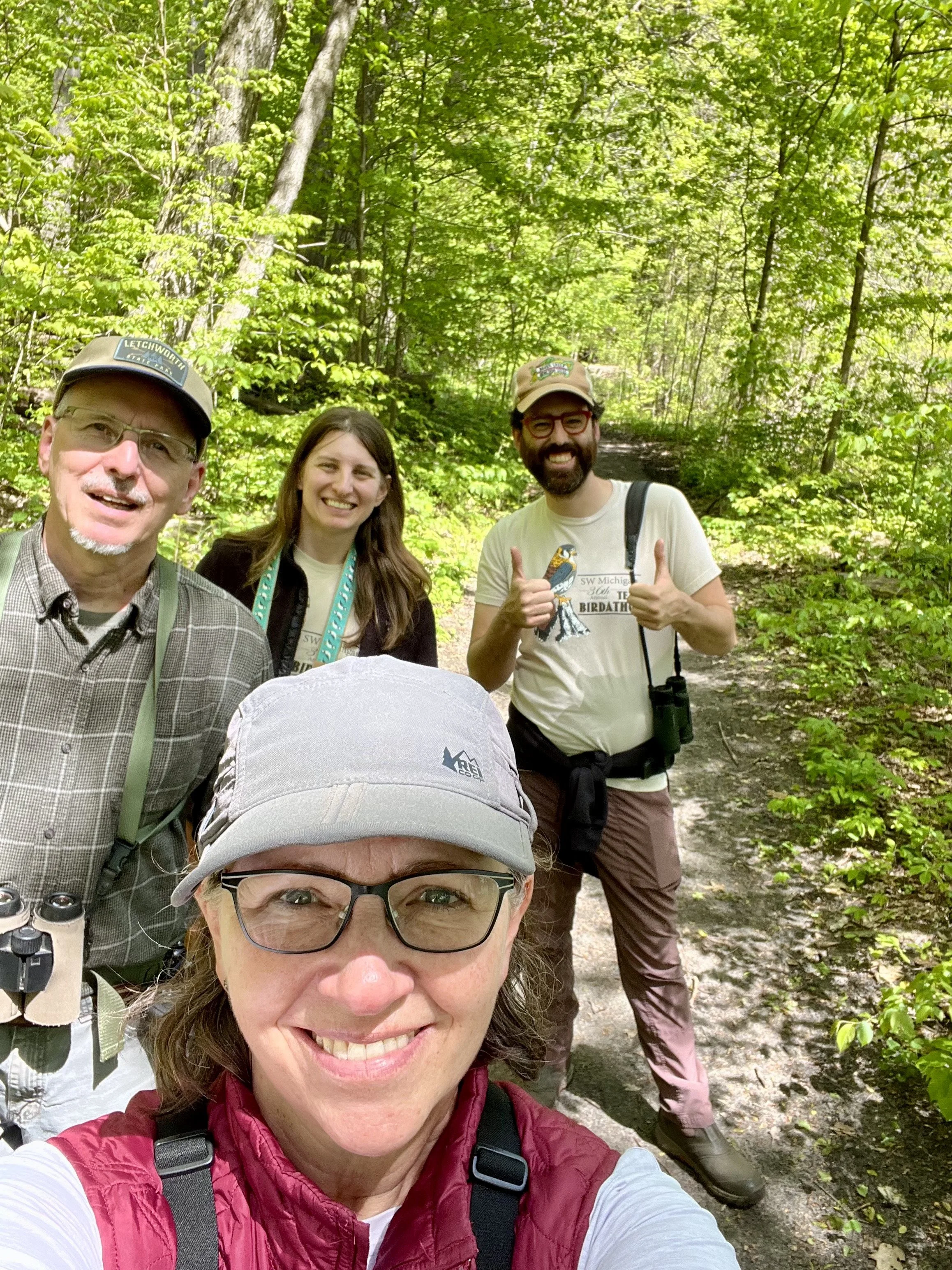
The Kal-Haven Trail Trekkers.
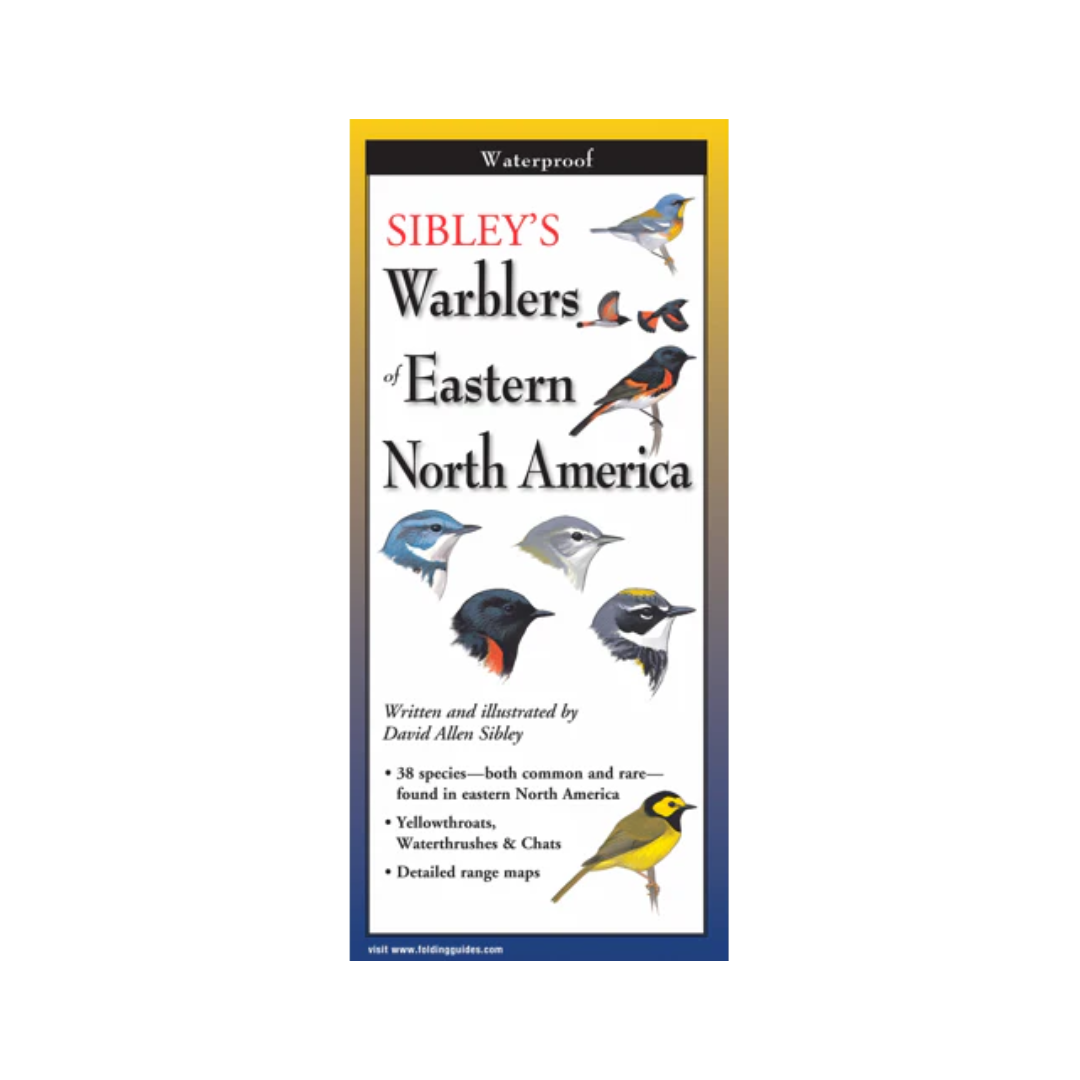
We all know that migrating Warblers pose some of the greatest ID challenges. This guide is your best tool in learning how to ID warblers both by sight and sound. I have this guide on me at all times during migration!
Written and illustrated by David Allen Sibley, this guide details 38 species of Warblers both common and exotic found east of the Rockies.
This guide includes captions which capture the gestalt of each species, detailed range maps, both in-flight and perched illustrations.
This field guide is very durable, waterproof, and measures 4”x9”.

A must-have for birders of all ages! Take this indispensable birding aid on your next birdwatching or hiking trip for easy reference in the field.
Written and illustrated by David Allen Sibley, this guide details 69 species of birds commonly found in the Midwest, including songbirds, raptors, woodpeckers, and more.
This field guide is very durable, waterproof, and measures 4”x9”.

If you’re curious about what animals can teach you, or are seeking support from the natural world, this deck is for you!
Animal Medicine Cards have helped guide my journey, providing powerful insight and perspective around some of life’s questions. This deck has found its way into the hearts and hands of many, guiding the way to healing the body, emotions, mind, and spirit, and providing insight into and understand of one's unique purpose in life.
This unique and powerful divination system draws upon ancient wisdom and tradition to teach the healing medicine of animals through the lens of sacred Native American traditions. These teachings have been handed down from many elders in the Choctaw, Lakota, Seneca, Aztec, Yaqui, Cheyenne, Cherokee, Iroquois, and Mayan traditions.
This 52-card deck includes a 246 guidebook.
Created by Jamie Sams and David Carson, with illustrations by Angela C. Werneke.

These unique journals feature the Black-capped Chickadee and their delightful “chicka-dee-dee-dee-dee” song that we so often associate with the approaching spring.
Each journal is crafted with care from repurposed, thrifted, lined paper by a local artist in Kalamazoo. Created with both sustainability and creativity in mind, they are perfect for birding notes, sketches, or even keeping a life list or yard list!
Measures 5.5” x 3.5”
